What to Do With Your Trim: Cannabis Concentrates Overview
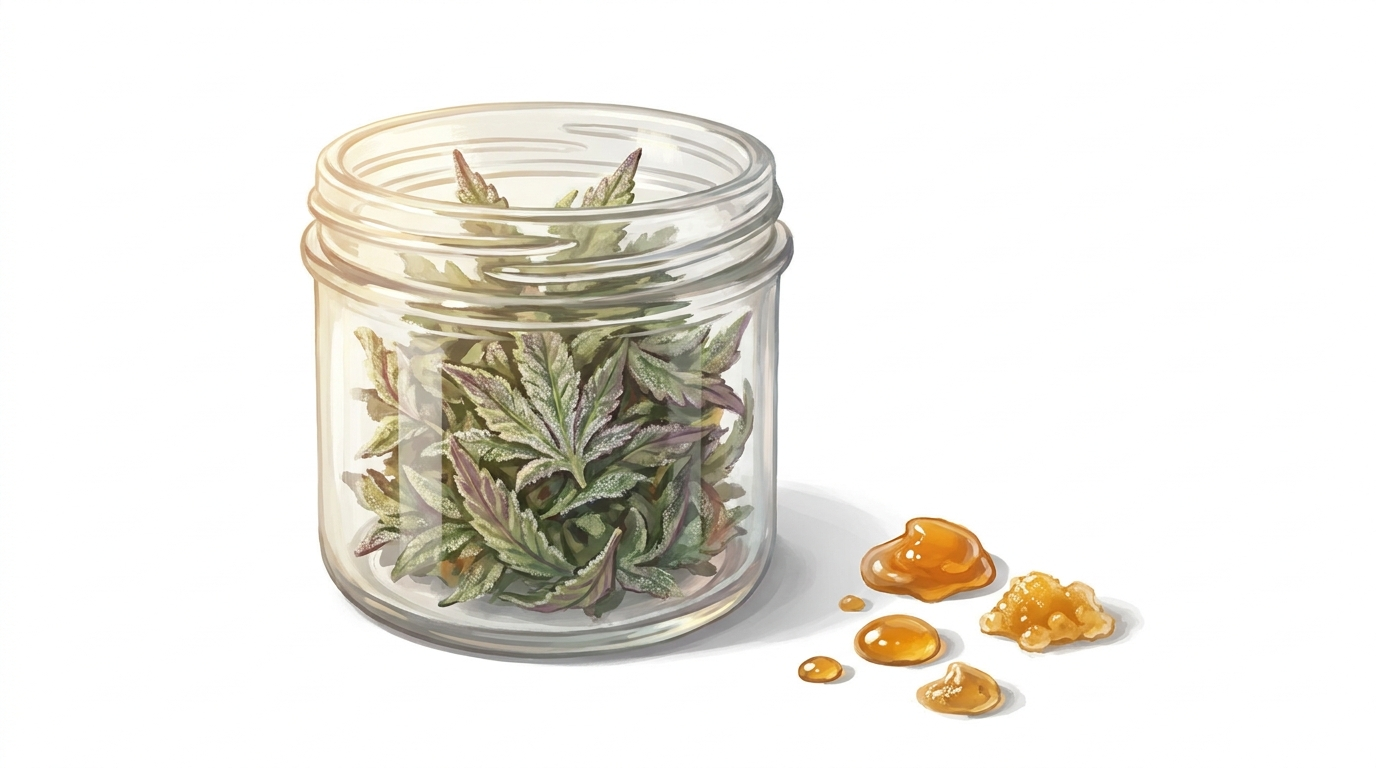
The sugar leaves and small buds left over from trimming are covered in the same trichomes as your flower, so binning them is throwing away good material. But not all trim is worth keeping, and there’s a sensible ladder of ways to process the good stuff — from a five-minute job to dispensary-grade. Here’s the overview.
The short version:
- Save what’s frosty: sugar leaves and larf. Bin fan leaves and stems
- Sort at harvest into two bags — good trim, and everything else
- The ladder: kief/dry sift → pressed hash → bubble hash → rosin
- Start at the easy end; each rung gives a cleaner product than the last
- Garbage in, garbage out — bad trim makes green, harsh concentrate
Want the full breakdown? Keep scrolling.
Which trim is worth keeping?
Think of harvest waste as ore of different grades — mixing rich and worthless doesn’t average to good, it averages to mediocre. The hierarchy: sugar leaves (the small, trichome-frosted leaves tucked around the buds) are your best material after the flower itself — frosty, sticky, gold. Larf and popcorn buds from the lower canopy are decent, less dense but worth saving. Fan leaves (the big iconic ones) are almost worthless — so few trichomes that processing them just adds chlorophyll and turns your hash green. Stems — no. The rule: if you can see frost on it with the naked eye, save it; if not, bin it. And sort at harvest, not later — two freezer bags, one for sugar leaves and larf, one for everything else (which goes in the garden waste). That ten seconds of sorting is the difference between clean golden hash and green sludge. (Whatever you sprayed on the plant concentrates in the hash too, which is another reason to grow clean.)
What’s the ladder of concentrates?
From easiest to best, each rung cleaner than the last. Kief / dry sift — freeze the trim, shake it over a fine screen, collect the trichome powder underneath; five minutes, a screen and a freezer, and you can press the powder into hash with body heat. Bubble hash — ice water and agitation separate trichomes through micron bags; messier, rewards scale (an ounce or two of trim minimum), very potent. Rosin — heat and pressure squeeze translucent oil straight out of kief, hash or flower, no solvents; a hair straightener gets you started, a press does it properly, and pressing bubble hash gives the best result of all. The progression — grinder kief → dry sift → bubble hash → rosin from hash — is a genuine ladder of quality. Start at the easy end (DIG stock screens, bubble bags and rosin gear); you don’t need solvents or fancy kit to make something you’re proud of.
How do I choose a method?
Match it to how much trim you have and what you want. A little trim, want it now: dry sift — five minutes, clean, and pressable into hash. Lots of trim saved up, want potency at scale: bubble hash — worth the mess once you’ve an ounce or two. Want a dabbable concentrate: rosin, ideally pressed from your dry sift or bubble hash. One honest trade-off: bubble hash washes out some water-soluble terpenes, so dry sift and rosin tend to keep more flavour while bubble hash maxes purity at scale. Whatever you pick, remember garbage in, garbage out — start with frosty, well-sorted, frozen trim and the method does the rest.
FAQ
Is cannabis trim worth keeping? The frosty parts are — sugar leaves and larf carry real trichomes and make kief, hash and rosin. Fan leaves and stems aren’t worth processing and just add harsh, green plant matter.
What’s the easiest thing to make from trim? Kief by dry sift: freeze the trim, shake it over a fine screen, and collect the trichome powder. It takes about five minutes and can be pressed into hash by hand.
Should I save trim fresh or dried? Either works. Freeze fresh trim straight from harvest for the best terpene preservation (“live” results), or save dried trim, which is more convenient to accumulate over several harvests.