Cannabis Early Flower: Weeks 1–3 of Bloom
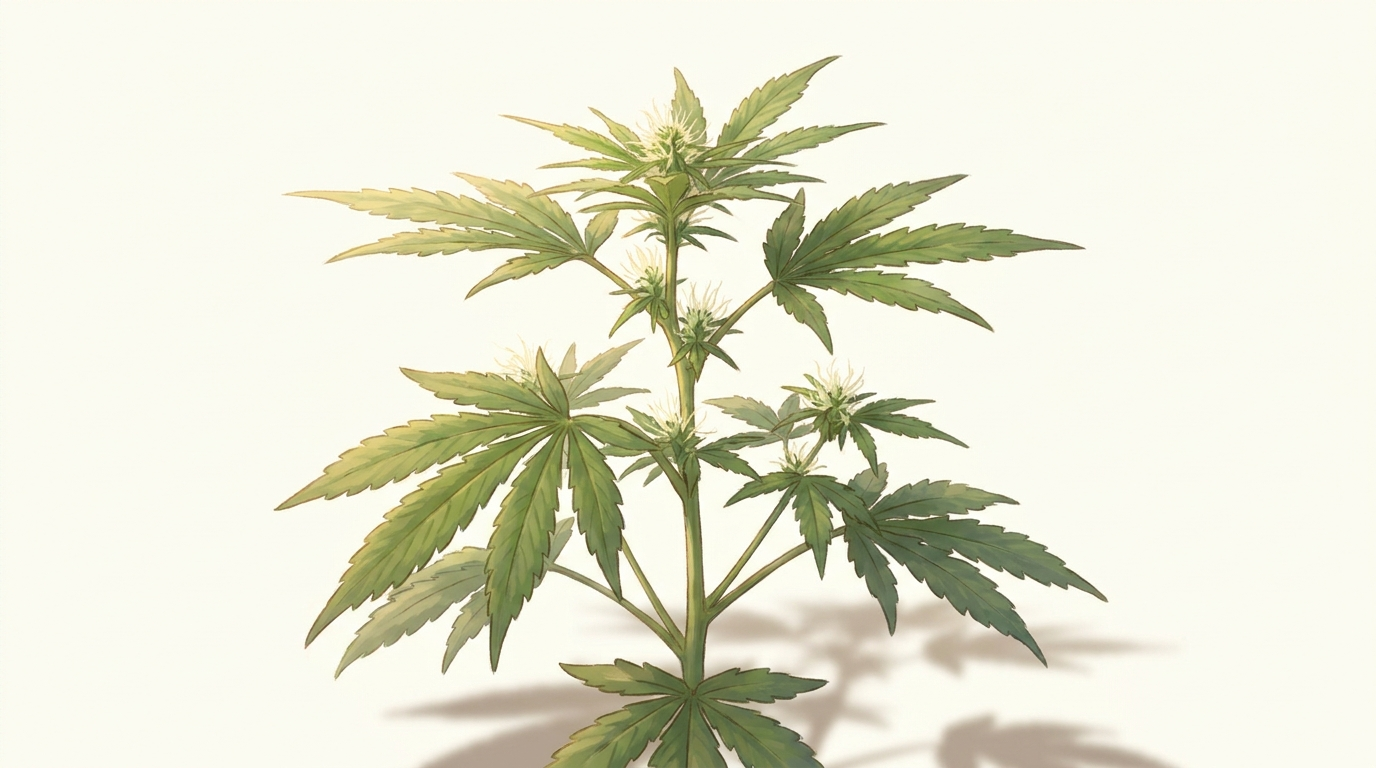
Early flower — the first three weeks after the stretch slows — is when the grow turns the corner from “growing a plant” to “growing buds.” Two things change: the feed and the environment. And one temptation rises: to start fiddling. Here’s how to handle weeks one to three of bloom.
The short version:
- Pistils — white hairs at the nodes and branch tips — mark the start of flower
- The stretch finishes; the plant stops gaining height and starts building buds
- Shift the feed toward phosphorus and potassium, easing off nitrogen — at half strength
- Bring humidity down toward 45–50%; this is where the mould battle starts
- Resist heavy defoliation — a light day-21 trim at most
Want the full breakdown? Keep scrolling.
What happens in early flower?
A couple of weeks after the flip, the stretch slows and pistils appear everywhere — small white hairs at every node and branch tip, marking where buds will form and confirming a female. The plant stops gaining height and redirects all its energy into flower production. This is the moment the feed should fully transition: the demand for nitrogen drops and the hunger for phosphorus and potassium climbs, so move to a bloom nutrient — but at half strength, building up, because overfeeding in early flower is more common than underfeeding and the burnt tips show up at the worst time. The case-study grower switched to bloom at day 65 when the first bud sites appeared, not the day they flipped, and kept it at half strength after the week-three burnt-tip lesson.
Why does the environment get harder now?
Because flower is the unforgiving stage — what veg tolerated, flower exposes. Humidity becomes the genuine battle: four transpiring plants in a sealed tent in a damp Irish winter push the internal RH up, and you want it heading toward 45–50% to keep bud rot away. That often means a dehumidifier, a higher extraction speed, and sometimes cracking the tent for ten minutes to exchange air — and one adjustment cascades into another (a dehumidifier adds heat, so the fan speeds up). pH matters more too: a small drift above 7.0 in early flower locks out calcium and gives you spotted lower leaves, and the fix is to check and correct pH first, not reach for CalMag. Hold the environment steady and you’ve prevented the problems that wreck flower.
What should I leave alone?
Your hands, mostly. Early flower is when the Tweaker appears, scissors out, stripping leaves to “redirect energy” before the plant has even built buds. Don’t. Defoliation in early flower is surgery with a butter knife for a beginner — at most a selective trim around day 21 once bud sites are established, removing only fan leaves directly shading major sites. The fan leaves are solar panels building the buds you’re trying to light. Tuck a leaf that’s blocking a site, gently bend a branch heading into the light, and otherwise let her get on with it. Feed shifted, humidity controlled, hands off — that’s early flower done right.
FAQ
How do I know flowering has started? When white pistils (hairs) appear at the nodes and branch tips after the flip, and the plant stops gaining height. That’s the plant committing to flower.
When do I switch to bloom nutrients? As the stretch slows and the first bud sites appear — ease into a phosphorus- and potassium-led bloom feed at half strength, rather than slamming nitrogen to zero the day you flip.
Why are the lower leaves spotting in early flower? Often a pH drift locking out calcium, not a true deficiency. Check and correct your pH first before adding CalMag; damaged leaves won’t heal but new spots should stop.