How to Press Rosin at Home (Heat and Pressure)
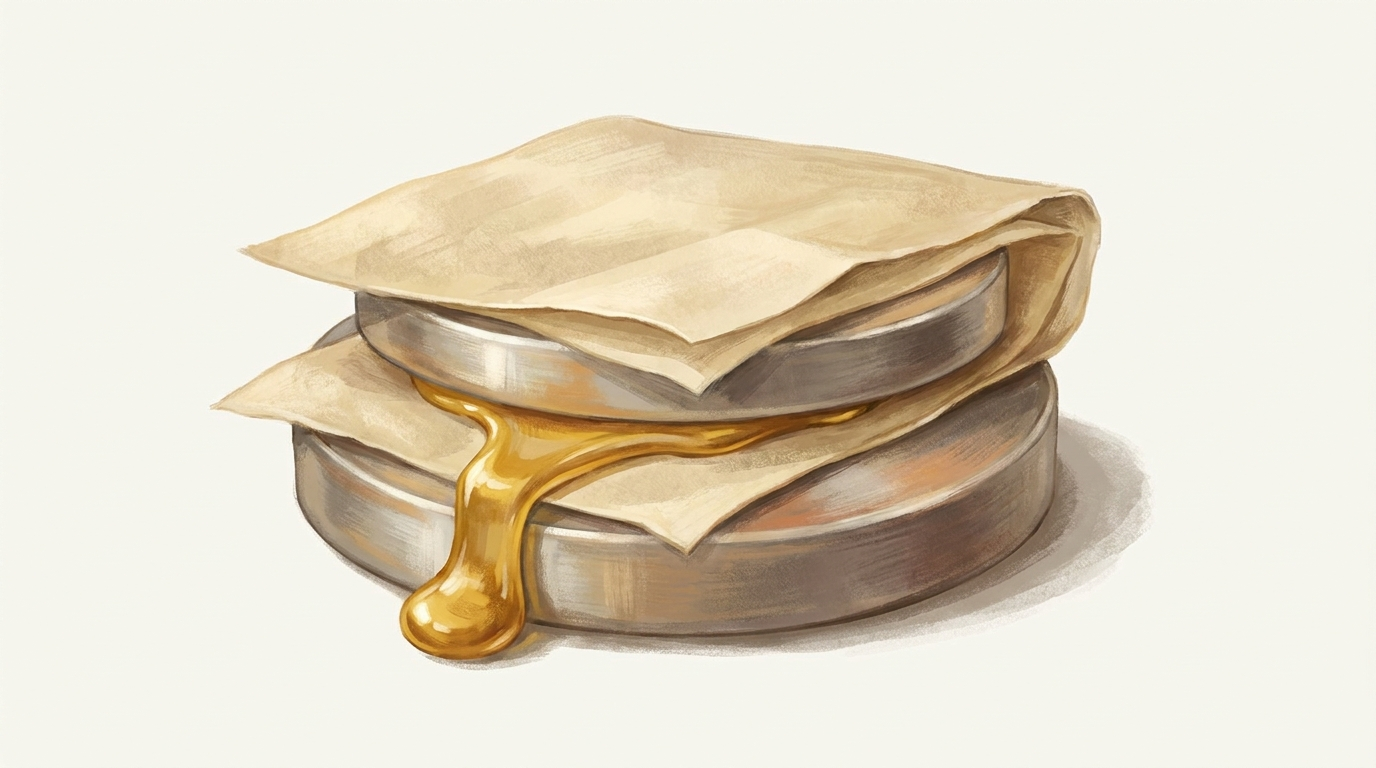
Rosin is the concentrate that changed home extraction: a safe, solventless way to make dispensary-quality dabs from kief, hash or flower using cheap kit. The concept is almost too simple — squeeze it, with heat — but temperature and technique decide whether you get golden oil or a burnt smear. Here’s how to do it.
The short version:
- Heat + pressure squeezes translucent resin out of kief, hash or flower — no solvents
- Start cheap with a hair straightener; upgrade to a rosin press if you like it
- Temps: flower 80–100°C, kief/hash 60–80°C — low and slow, not a sear
- Use parchment paper (not baking/wax paper) and gentle, brief pressure
- Pressing bubble hash gives the cleanest, best rosin of all
Want the full breakdown? Keep scrolling.
How do I press rosin?
The cheap entry is the hair straightener method. Take a small amount of kief or flower, fold it in parchment paper (not baking or wax paper — the silicone coating transfers), and press it between the plates on a low heat setting, squeezing firmly for three to five seconds. Open the parchment and you’ll see a ring of translucent, sticky oil around the pressed material — scrape it up with a dab tool. Small yields, tired arm, but you can do it tonight with grinder kief and have dabbable concentrate in ten minutes. If it convinces you, a dedicated rosin press (DIG stock them) is the upgrade — heated plates, a pressure mechanism and precise temperature control, from around €150 for a basic manual unit, which is plenty for a home grower.
What temperature and technique?
This is where the Blacksmith ruins it — max heat, raw flower, baking paper, a death grip for thirty seconds, out comes a dark burnt smear that tastes like scorched tyres. Three fixes. Temperature: flower wants 80–100°C, kief or hash 60–80°C — higher temps degrade terpenes and oxidise the resin into darker, harsher rosin; this isn’t a steak, you’re not searing it, low and slow gives lighter and more flavourful. Paper: unbleached food-grade parchment, never baking paper (silicone) or wax paper. Technique: gentle, sustained pressure — three to five seconds on a straightener, thirty to sixty on a press — not a crushing grip that squeezes chlorophyll and plant matter through with the resin. And pre-press your material into a tight puck inside a rosin bag (25–37 micron mesh, DIG stock them) to filter the output for cleaner, lighter rosin.
What’s the best starting material?
The ladder pays off here. Flower rosin is good; bubble hash rosin is exceptional. When you press bubble hash, the plant matter is already removed, so what squeezes out is almost entirely resin — lighter colour, cleaner flavour, higher potency. So the progression grinder kief → dry sift → bubble hash → rosin from bubble hash improves at every rung. The beauty of rosin is that it’s the one dabbable concentrate that’s genuinely safe to make at home — no solvents, no flammable gas, no risk of blowing up the kitchen. Save your grinder kief, dry-sift your trim, and press that, and you’ve got dabbable concentrate in fifteen minutes from material you’d otherwise have binned.
FAQ
What temperature do I press rosin at? Around 80–100°C for flower and 60–80°C for kief or hash. Lower temperatures give lighter, more flavourful rosin; high heat degrades the terpenes and darkens it.
Can I make rosin with a hair straightener? Yes — fold a little kief or flower in parchment, press on low heat for a few seconds, and scrape up the oil. It’s the cheapest way to try rosin before buying a press.
What’s the best material to press into rosin? Bubble hash. Because the plant matter is already removed, pressing it yields cleaner, lighter, more potent rosin than flower. Dry-sift kief is the next best and far better than raw flower.