Supercropping Cannabis: Bending Stems for Bigger Yields
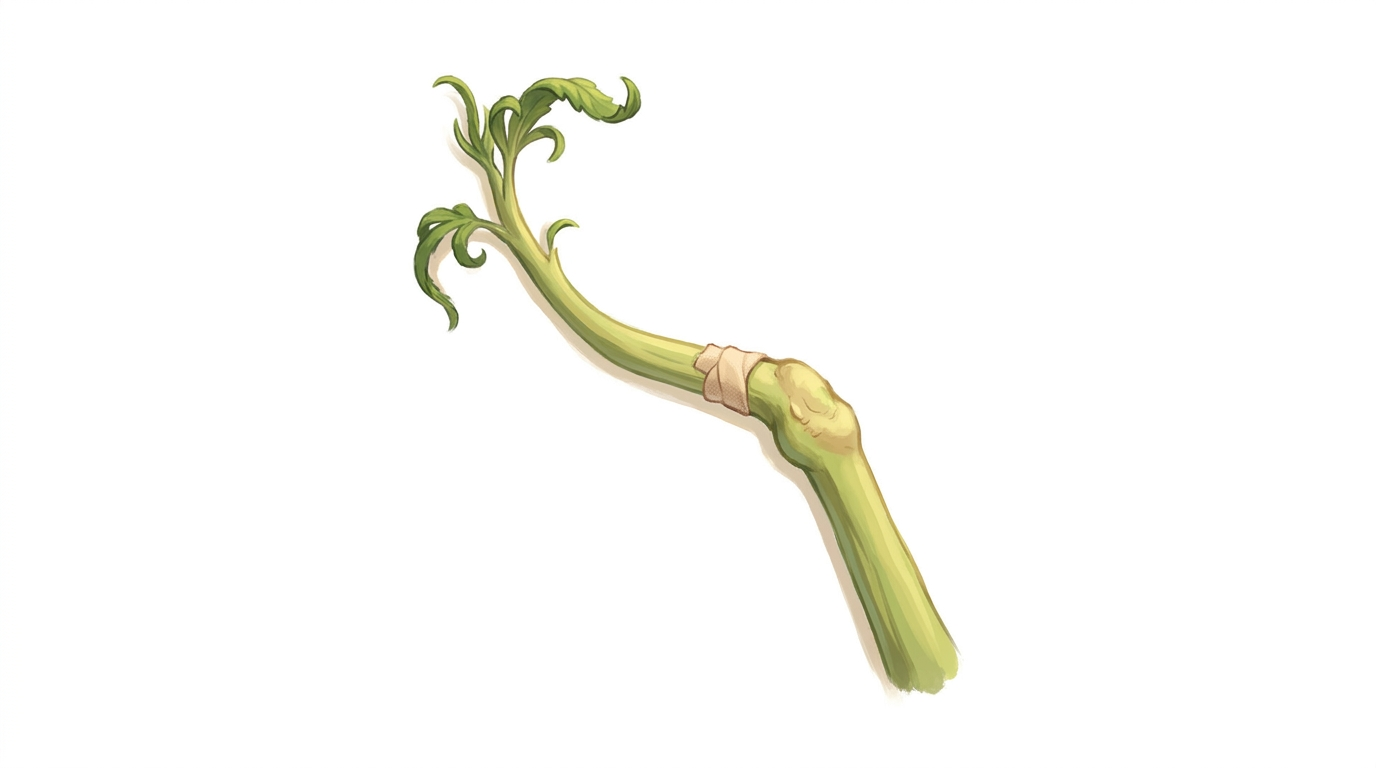
Supercropping is a high-stress technique — you’re injuring the plant on purpose to get something back — so it’s earned, not rushed. It’s the tool for the stem that’s gone too woody to bend gently and is heading for the light. Get one clean grow behind you first; misjudge the squeeze as a beginner and you snap the branch clean off. Then do one branch, slow, and learn the feel.
The short version:
- Crush the inner stem so it folds — the bark must stay intact
- Use it for height control and an even canopy when stems are too stiff for LST
- Do it in late veg or the first week or two of flower, on healthy plants only
- Tape any bark split with micropore tape; it heals into a stronger knuckle
- Never on an autoflower; not on your first grow
Want the full breakdown? Keep scrolling.
Why supercrop instead of LST?
Three things at once. It controls height — a branch heading for the light gets folded and stays folded, reclaiming headroom without topping. It evens the canopy — fold the tall bits to the level of the rest and every bud site sits roughly the same distance from the light, the same flat-table goal as LST. And where it heals, the stem builds a thick knuckle of scar tissue that’s stronger than the original and moves sap freely, so the branch above often fattens up. LST is for young, flexible stems; supercropping is for the stiff ones that have gone past bending and would snap.
How do I supercrop a stem?
You’re crushing the inner stem so it folds while the bark stays whole — bark intact is the entire difference between training and snapping. Pick the spot: soft green growth a few inches below a tip, between two nodes, not the woody base. Pinch it: take the stem between thumb and forefinger and squeeze firmly, rolling slightly, until you feel the inside go soft and give. It feels wrong the first time — that’s normal. Fold it: the stem now bends at that softened point like a hinge; take it over to horizontal, tucking the tip to canopy level, slow and steady. A small crack is fine as long as the bark holds. Support it with a soft tie if it won’t hold the angle; within a day or two the tip turns back up to the light. If the bark splits, wrap it snug with micropore tape (DIG stock it) and leave it — the plant knits it into that stronger knuckle. A fully snapped branch is gone, but the plant lives and the rest take its share of light.
When should I leave her alone?
Timing is most of the safety. Do it on a healthy plant — good colour, growing well, no unresolved deficiency, no pest, no recent shock — in late veg or early flower, while she still has the vigour to heal and the time to recover before pouring everything into buds. Leave her alone if she’s stressed, underfed, recovering, or deep into flower: high stress on a plant running on fumes removes energy rather than redirecting it. Never supercrop an autoflower — no time to recover before the clock flips her. And do a branch or two at a time, watch her heal over a few days, then do more. As for the “potency boost” you’ll hear about — treat it as a possible bonus, not the reason. Grow for height control, an even canopy, and more light on more sites.
FAQ
What is supercropping? Pinching and crushing the inside of a stem so it folds without the bark tearing, then healing into a stronger knuckle. It controls height and flattens the canopy.
Will supercropping increase potency? Maybe, but there’s no clean evidence, so don’t count on it. The reliable benefits are height control, an even canopy and better light distribution.
Can beginners supercrop? Better not on a first grow — it’s easy to snap a stem that’s gone too woody. Get one finish behind you, then try one branch slowly to learn the feel.
What do I do if the stem snaps? If the bark is still partly connected, tape it snugly with micropore tape and leave it to heal. A fully severed branch is lost, but the plant carries on fine.