What Are Terpenes and Why Do Strains Smell Different?
Here’s a conversation I have at the counter most weeks. Someone shows me a seed on their phone and says, “Look at this — 29% THC.” And I say, “Grand. What’s the terp profile?” And they look at me like I’ve asked them to solve a crossword in Mandarin.
THC gets all the attention because it’s the easiest number to print on a packet. Bigger number, stronger product — that’s the logic, and it’s not completely wrong. But it’s like buying a car on horsepower alone. Horsepower won’t tell you if it handles, rides smooth, or rattles itself apart on the M50. That’s the engineering. In cannabis, the terpenes are the engineering.
The short version:
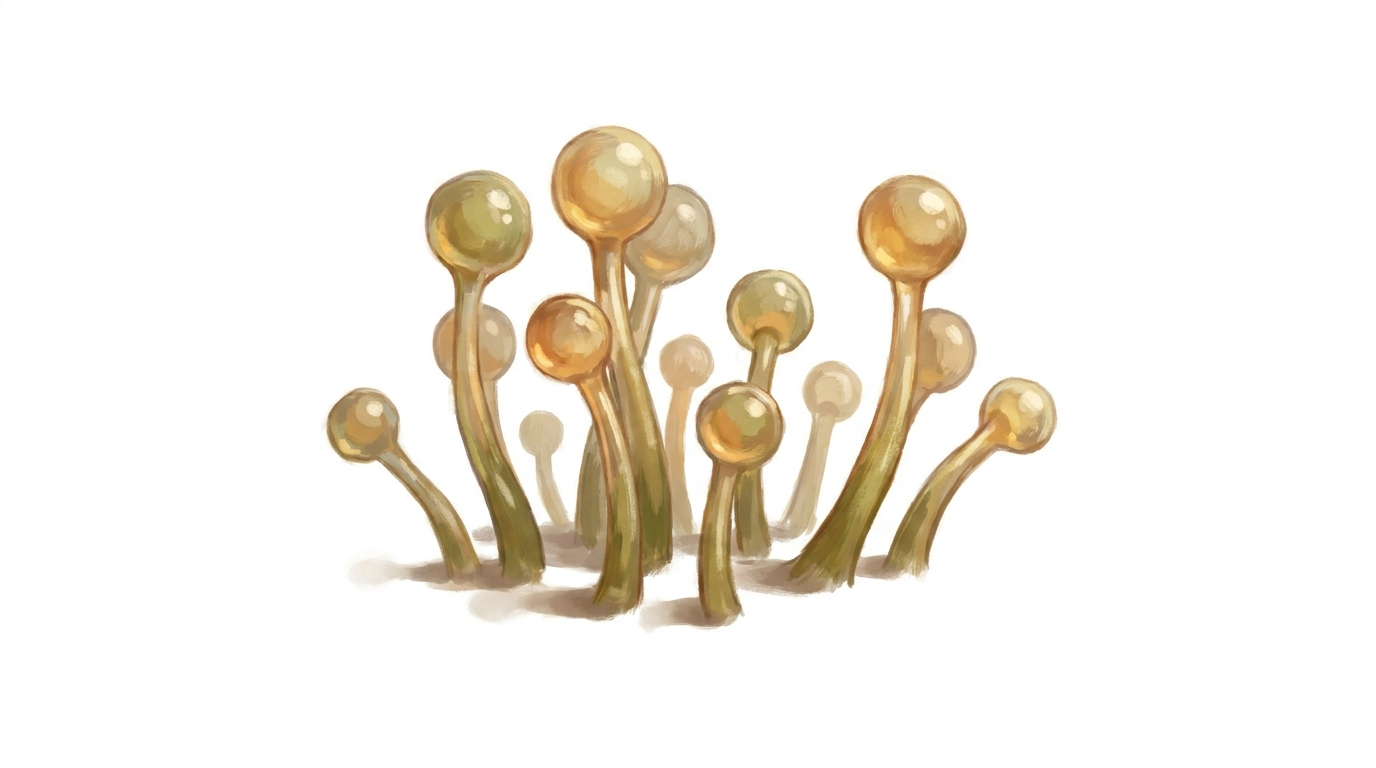
- Terpenes are the aromatic compounds made in the trichomes — the same resin glands that make cannabinoids
- They’re what give each strain its smell and flavour, from citrus to diesel to pine
- Two strains at identical THC can come across very differently because their terpene profiles differ
- There are over 200 terpenes in cannabis, but a handful do most of the talking
- Read the terpene profile, not just the THC number — and if a breeder won’t list it, that tells you something
Want the full breakdown? Keep scrolling.
What are terpenes in cannabis?
Terpenes are aromatic compounds produced in the trichomes — those tiny resin glands frosting the flower — right alongside the cannabinoids like THC and CBD. They’re what your nose picks up: the lemon, the pine, the fuel, the lavender. Plants across the world make terpenes; it’s why pine smells like pine and hops smell like hops. Cannabis just happens to make a lot of them, in a lot of combinations.
And there are a lot of combinations because there’s a lot of genetics behind them. A 2019 genomic study (Allen and colleagues, open-access) mapped the full terpene synthase gene family in cannabis and found dozens of distinct genes — on the order of 55 — driving terpene production. That’s the machinery behind why one plant smells like a lemon grove and its sibling smells like a diesel pump. It’s written in the genes, expressed in the trichomes.
Do terpenes change the effect or just the smell?
This is where I have to be careful and honest, because the law and the science both deserve respect here. Growers consistently report that two strains at the same THC feel different, and that the terpene profile tracks with that difference — a myrcene-heavy plant gets described as heavy and sofa-bound, a limonene-heavy one as bright and busy. That’s how people who grow and use these plants talk about them.
What I’m not going to do is dress that up as a medical claim or a guaranteed effect. The idea that cannabinoids and terpenes work together — the “entourage effect” — is a live area of research, not a settled fact, and the honest position is: the smell-and-feel patterns are real and consistent enough to be useful for choosing a strain, but treat them as reported character, not promises. Use the nose as a planning tool. That’s all it needs to be.
What are the main cannabis terpenes?
The big ones a beginner actually benefits from knowing:
- Myrcene — earthy, musky, like ripe mango or hops. The most common terpene in cannabis, and the one people associate with that heavy, relaxed, evening character. A lot of “classic indica feel” is really just myrcene.
- Limonene — citrus: lemon, orange, grapefruit. Growers describe limonene-forward strains as bright and uplifting, the daytime sort. Read it as a smell-and-feel marker, not a claim.
- Pinene — pine needles, rosemary, fresh forest. Associated with a clear-headed character — the strains where you can still hold a conversation and remember what you walked into the room for.
- Linalool — lavender, floral, a touch of spice. The softer, mellow end. Less “nailed to the sofa,” more “had a good bath.”
- Caryophyllene — pepper, clove, warm spice. The chemically unusual one, which is why it shows up in research a lot — but a research story, not a health claim. For the grower, it’s simply the marker of a spicy, fuel-like nose.
- Terpinolene — the hard-to-pin one: herbal, floral, a bit piney, a bit citrus. Less common as the dominant note, and tends to read as bright and energetic. Jack Herer and its descendants often carry it.
How do I read a terpene profile?
Look past the THC headline to the dominant terpenes. A myrcene-dominant strain at 20% THC will likely come across heavier than a limonene-dominant one at 25%. I had a customer once open two jars at the counter, both labelled indica from the same seed bank. One smelled like a pine forest after rain. The other smelled like someone had zested a bag of lemons into a petrol can. “These are both indica?” Yeah. The label told her nothing. The nose told her everything.
So when you’re choosing seeds, find out the terpenes the breeder is selecting for. If they list them, good sign — they know their genetics. If they only ever shout the THC number, take the hint. Cannabis Seed Bank Ireland list strain character properly, which makes picking something that suits you a lot easier than guessing off one number.
FAQ
What are terpenes in simple terms? They’re the aromatic compounds that give each cannabis strain its smell and flavour — citrus, pine, diesel, lavender — made in the same resin glands as THC and CBD.
Why do two strains with the same THC smell and feel different? Because their terpene profiles differ. THC percentage is one number; the terpene mix is what shapes the aroma and the reported character, which is why identical-THC strains can come across worlds apart.
What’s the entourage effect? The idea that cannabinoids and terpenes work together rather than in isolation to shape the overall experience. It’s an active area of research, not a settled fact — useful as a framework, not a guarantee.
Which terpene is the most common in cannabis? Myrcene. It’s earthy and musky, and it’s the one most associated with the heavy, relaxed, evening character people often label “indica.”
Should I choose a strain by THC or terpenes? Use both, but don’t buy on THC alone. The terpene profile tells you far more about how a strain will smell and come across. If a breeder won’t list terpenes, be wary.