
Environmental Monitoring: Stop Flying Blind
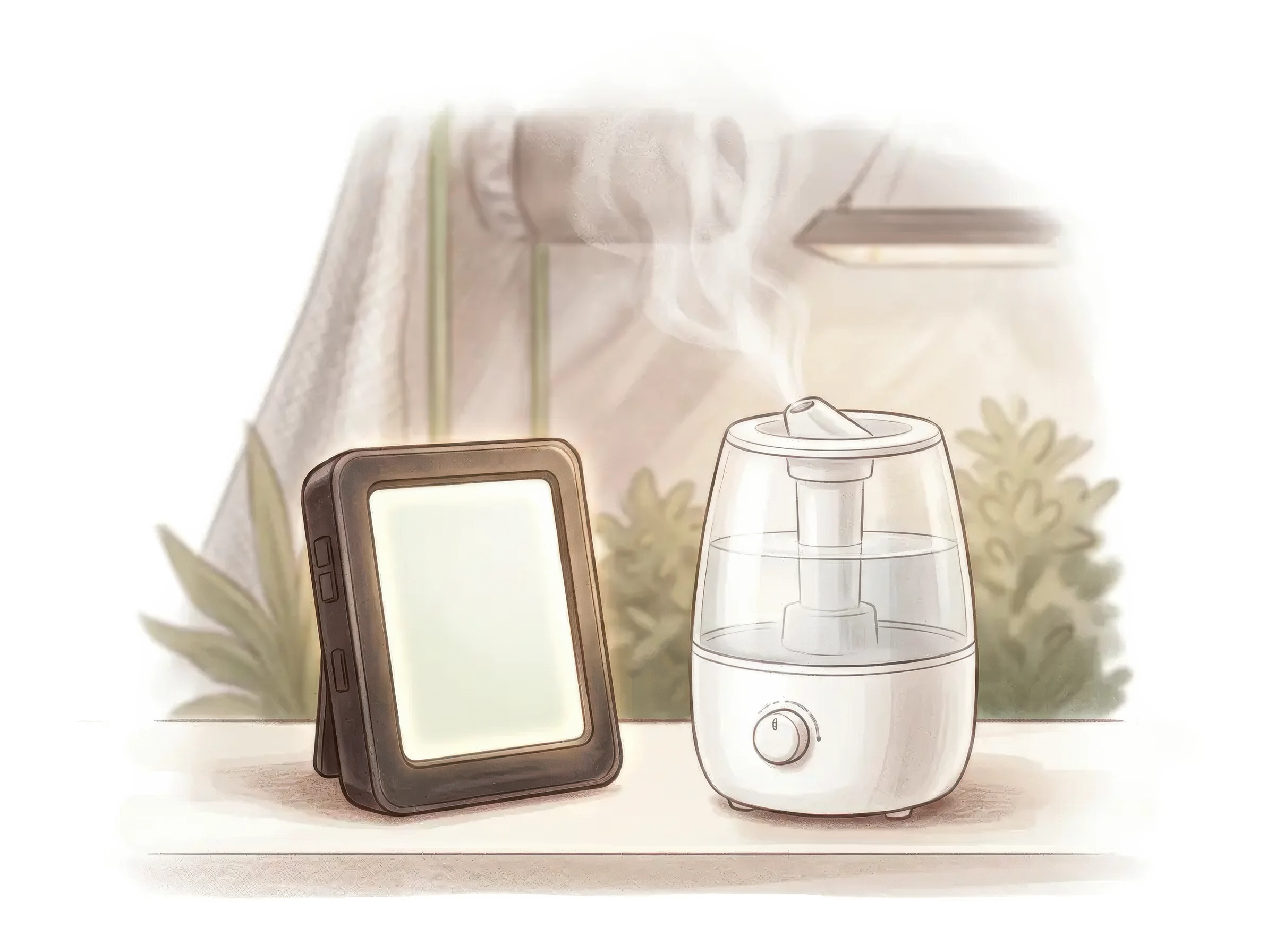 One hygrometer at canopy height, checked daily. Cheapest crop insurance there is.
Most of the problems people bring me at the counter aren’t plant problems. They’re tent problems the grower couldn’t see, because they were judging heat and humidity by sticking their head in the tent and going “feels grand.” Feel lies. Your hand can’t tell 24°C from 29°C, and it certainly can’t tell 50% humidity from 68%. You’re flying blind — no thermometer or hygrometer means you’re judging heat and humidity by feel, and half the problems in here hide in numbers you’re not reading. I spent my first grow diagnosing phantom deficiencies that were all just a tent running too hot and too damp. A six-euro gauge would have told me on day one.
The short version:
- No thermometer or hygrometer means you’re guessing the two things that cause most problems
- Feel lies — your hand can’t read temperature or humidity to anything like the accuracy she needs
- Get a cheap combo thermo-hygrometer with min/max memory and hang it at canopy height
- Read it morning and night before you change anything else — the numbers come first, always
Want the full breakdown? Keep scrolling.
Why do I need a thermometer and hygrometer in my grow tent?
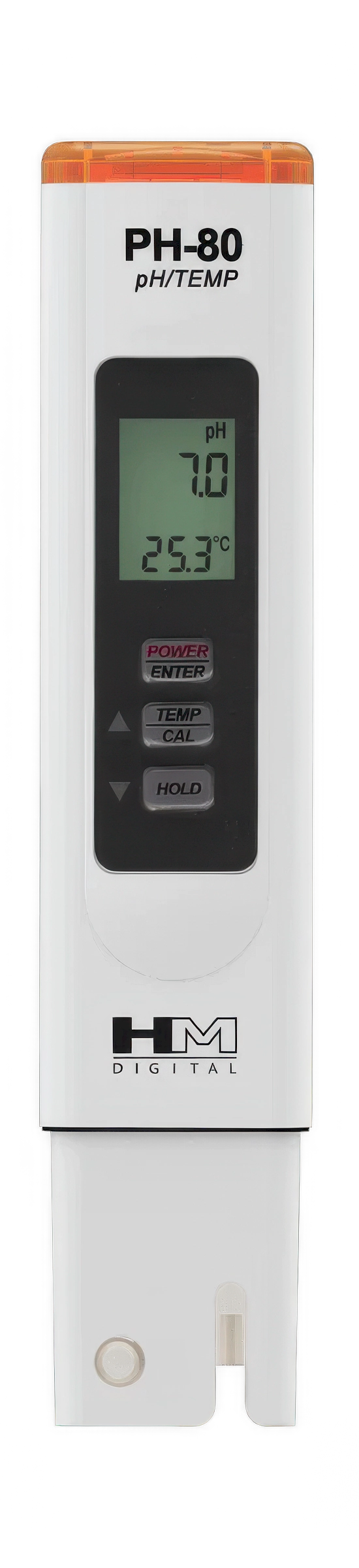 The other half: a pH/EC pen tells you what’s happening below the surface.
Because environment is a growing input, exactly like light and water and nutrients — and it’s the only one you can’t see. The order of diagnosis every experienced grower works to is environment first, water second, pH third, nutrients last. Notice what sits at the top. More than half the problems beginners chase — drooping, crispy tips, slow growth, mould, phantom deficiencies — trace back to heat or humidity being out of range. And you cannot manage what you cannot measure.
The plant tells you when the environment’s wrong, but she tells you in symptoms, and symptoms overlap. A tent that’s too hot, a tent that’s too dry, and a feeding problem can all look similar from the outside. The thermometer and hygrometer cut through that guesswork in two seconds flat. Before you open a single nutrient bottle, the gauge tells you whether the answer is sitting in the air. Nine times out of ten, for a beginner, it is — and the bottle was never the problem.
What should I look for in a grow tent thermometer?
Get a combo unit — temperature and humidity in one — with a min/max memory. They’re cheap, often €6-12, and the min/max is the bit that earns its keep. It records the highest and lowest the tent hit since you last reset it, which means it catches the night-time crash and the midday peak even when you’re not standing there watching. That’s how you catch The Yo-Yo running 30°C under the light and 10°C overnight, a swing that stresses her even though neither number alone looks alarming.
The single most important thing is where you hang it. At canopy height, where she actually lives — not on the floor. The floor can read 5°C cooler than the canopy under a bright light, which makes a floor reading useless data that’ll talk you out of fixing a real heat problem. Hang the gauge at the top of the plant, next to where the leaves are, and move it up as she grows. One gauge per tent, at canopy height, read twice a day. That’s the whole setup. DIG stock the min/max combo units.
How do I use the readings to keep my tent healthy?
Read it morning and night and act on the numbers, not your nerves. Here are the bands worth tattooing on your arm:
- Temperature: 20-26°C lights-on, 17-21°C lights-off, measured at canopy height. Over 30°C and you’re into heat stress; a cold crash overnight is cold stress. A drop of five or six degrees day to night is fine; more than eight or nine isn’t.
- Humidity: 40-60% in veg, 40-55% in flower, lower as the buds fatten. Too high invites high humidity and bud rot; too low gives you crispy tips and low humidity.
- The two read together: temperature and humidity combine into VPD — Vapour Pressure Deficit — which is really just how thirsty the air is. Too wide and she shuts up shop; too narrow and she’s swimming. Don’t get lost in the maths — the DIG VPD Calculator at dublinindoorgardening.com plugs your two numbers in and tells you whether you’re in the zone.
- Change one thing at a time. Read, adjust one lever, wait a day, read again. Crank three things at once and you’ll never know which one worked.
The discipline is reading before reacting. Nobody posts their hygrometer on Instagram, but the grower who gives the plant boring, steady, unremarkable air is the one who pulls down a harvest that makes the flashy-setup growers ask questions. The gauge is how you give her that.
FAQ
Where should I hang a thermometer in a grow tent? At canopy height, where the plant actually lives, not on the floor — the floor can read several degrees cooler than the canopy under a bright light. Move the gauge up as she grows so it always reads at the tops, and keep it next to your hygrometer so you’re reading both in the same spot.
What’s the difference between a thermometer and a hygrometer? A thermometer reads temperature; a hygrometer reads humidity, the percentage of moisture in the air. You want both, ideally in one combo unit, because temperature and humidity work together — and most tent problems come from one or the other being out of range.
Why does min/max memory matter? Because it records the highest and lowest the tent hit while you weren’t watching, which catches the overnight cold crash and the midday heat peak. Those swings stress the plant even when a quick glance during the day looks fine, so the memory tells you what the live reading can’t.
Do I really need to monitor if my plant looks fine? Yes — by the time a problem shows on the plant, it’s already underway, and the gauge gives you days of warning. Reading the numbers before you change anything also stops you chasing phantom deficiencies that are really just heat or humidity out of range. It’s the cheapest insurance in the tent.
Not sure this is your problem? Run her through the Diagnosis Buddy — five questions and you’ll know.
Fixed it?
Here’s how this stage goes when it’s going right — walk the grow →. Still not sure what you’re looking at? Ask the Diagnosis Buddy →